
What Triggers Irregular Heartbeats and How Doctors Detect Them
What Triggers Irregular Heartbeats & How Doctors Detect Them
Reddy Cardiac Wellness & Diabetes Reversal Center helps patients understand what triggers irregular heartbeats. Your heart is the engine of your body, beating tirelessly to deliver blood, oxygen, and nutrients to every cell. What happens when this reliable rhythm falters or becomes erratic? An irregular heartbeat, also called a cardiac arrhythmia, is a condition that can arise due to numerous factors. While some forms are harmless, others may signal a more serious underlying issue. Understanding irregular heartbeats, their triggers, symptoms, and treatments can empower you to maintain a healthier heart.
What is Cardiac Arrhythmia Disease?
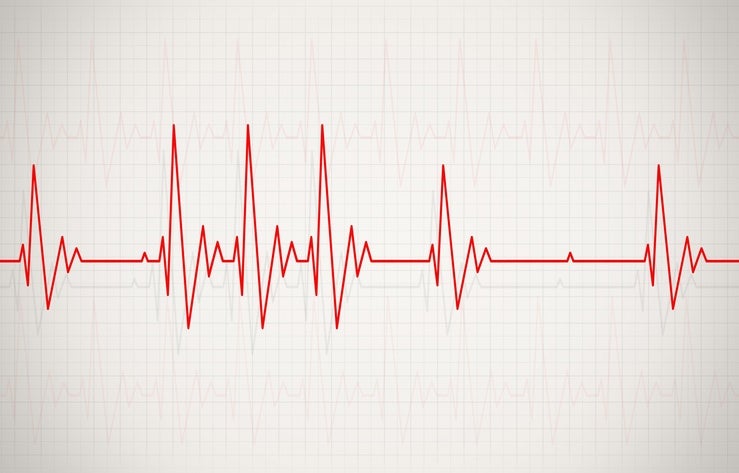
Cardiac arrhythmia disease refers to any condition in which the heart beats irregularly, too fast, too slow, or with an erratic rhythm. This occurs when the electrical signals that coordinate your heartbeat are disrupted, leading to abnormal heart rhythms. Common types of arrhythmias include atrial fibrillation, bradycardia, and ventricular tachycardia, each with its own causes and risk factors. While some arrhythmias may be harmless, others can significantly impact blood flow, leading to serious complications such as stroke or heart failure. Recognizing the symptoms, such as palpitations, dizziness, or shortness of breath, is crucial for timely medical intervention. With advances in medicine and careful treatment, many individuals with cardiac arrhythmia disease can live healthy, fulfilling lives.
What Triggers Irregular Heartbeats?
Several factors can disrupt the heart’s normal rhythm. The most common triggers include:
- Lifestyle Factors: Stress, excessive caffeine or alcohol consumption, smoking, and a lack of physical activity can affect your heart’s rhythm. Emotional or physical stress can activate the body’s “fight or flight” response, releasing hormones that may cause palpitations or irregular beats.
- Underlying Conditions: Chronic illnesses such as high blood pressure, diabetes, thyroid imbalances, or coronary artery disease are common contributors to arrhythmias. Additionally, a history of heart attack or congenital heart defects can increase your risk.
- Electrolyte Imbalances: Your heart relies on specific electrolytes, such as potassium, magnesium, and calcium, to conduct electrical signals. An imbalance of these electrolytes can interfere with normal heart function.
- Medications: Certain prescription and over-the-counter drugs can worsen or even cause arrhythmias. For example, stimulants found in cold medicines or medications treating ADHD may lead to irregular heartbeats.
- Genetics: Some arrhythmias are hereditary, meaning genetic factors could trigger abnormal heart rhythms.
- Age and Hormonal Changes: Aging naturally impacts heart function, possibly increasing your likelihood of developing arrhythmias. Hormonal changes, such as during menopause or pregnancy, can also influence the heart’s electrical system.
Irregular Heartbeat Symptoms
Not every irregular heartbeat presents noticeable symptoms. These symptoms can range from mild to severe and may come and go sporadically. Pay close attention to how often they occur and their intensity to effectively communicate with your doctor. Some of the most common irregular heartbeat symptoms include:
- Heart palpitations.
- Fatigue or weakness.
- Dizziness or lightheadedness.
- Shortness of breath.
- Fainting or near-fainting spells.
When Should I Be Worried About an Irregular Heartbeat?
While occasional irregular heartbeats are often harmless, persistent or severe symptoms should not be ignored. Seek immediate medical attention if you experience:
- Chest pain or discomfort.
- Prolonged dizziness or fainting episodes.
- Consistent shortness of breath.
- A rapid heartbeat that does not resolve on its own.
How Doctors Detect Arrhythmias
Diagnosing an irregular heartbeat involves a combination of medical history, physical examinations, and diagnostic tools. Your doctor may recommend:
- Electrocardiogram (ECG or EKG): A non-invasive test that records the electrical activity of your heart and identifies irregular patterns.
- Holter Monitor or Event Monitor: Portable devices worn over a period of time to track heart activity during your daily routines.
- Echocardiogram: An ultrasound of the heart to visualize its structure and functionality.
- Stress Test: A stress test is performed during physical activity to observe your heart’s behavior under stress.
- Electrophysiological Study (EPS): A more advanced procedure that maps your heart’s electrical system using catheters.
Irregular Heartbeat Treatment Options
Treatment for irregular heartbeats depends on the type, severity, and underlying cause of the arrhythmia. The most common treatment options for an irregular heartbeat include:
- Lifestyle Modifications: Reducing caffeine and alcohol, increasing physical activity, and managing stress can help control mild arrhythmias.
- Medications: Anti-arrhythmic drugs, beta-blockers, or blood thinners may be prescribed to regulate your heart rhythm and reduce complication risks.
- Medical Procedures: Severe arrhythmias may require interventions like cardioversion, catheter ablation, or the implantation of a pacemaker or defibrillator to restore normal rhythm.
Managing and Preventing Irregular Heartbeats
Proactively managing your heart health is one of the most effective ways to prevent arrhythmias. Maintain a balanced diet rich in fruits, vegetables, and whole grains while limiting processed foods. Regular exercise, quality sleep, and stress reduction practices like meditation or yoga can also strengthen your heart. Routine medical check-ups are equally important to monitor risk factors and catch issues early.
If you have a history of arrhythmias or heart conditions, follow your doctor’s advice closely and adhere to prescribed treatments. Recognizing potential triggers and making informed choices are key to protecting your heart’s rhythm.
Schedule an Appointment With Us
Reddy Cardiac Wellness & Diabetes Reversal Center specializes in heart health. Irregular heartbeats can be concerning, but they are often manageable with knowledge and proactive care. Understanding the triggers, symptoms, and treatment options gives you the tools to take control of your heart health. Always prioritize annual check-ups and seek prompt medical evaluation if serious symptoms arise. Reach out to us today to schedule an appointment.