
-
Difference Between Heart Attack And Heart Failure
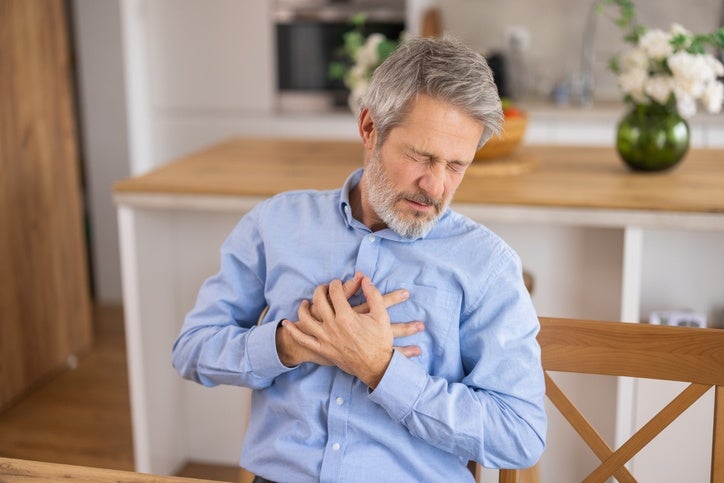
Heart attack and heart failure are two serious cardiovascular conditions that are often confused, but are not the same. Both affect how the heart functions and can have life-threatening consequences if left untreated. Understanding the difference between the two can help you recognize symptoms early and seek appropriate care. At Reddy Cardiology, patient education is a key part of preventing and managing heart disease in Sugar Land, TX.
 Continue reading “Difference Between Heart Attack And Heart Failure”
 -
What Does A Cardiovascular Doctor Do?
Understand What a Cardiovascular Doctor Does for Heart Health
Your heart plays a vital role in keeping your entire body functioning, which is why specialized care is essential when something isn’t quite right. A cardiovascular specialist in Sugar Land, TX, commonly known as a cardiologist, focuses on diagnosing, treating, and preventing conditions that affect the heart and blood vessels. So, what does a cardiovascular doctor do? At Reddy Cardiology, our goal is to help our patients understand their heart health better and receive the expert care they need to live healthier lives.
 Continue reading “What Does A Cardiovascular Doctor Do?”
 -
Is Your Chest Pain Serious? Signs You Shouldn’t Ignore
Recognizing Chest Pain Symptoms That Need Urgent Attention
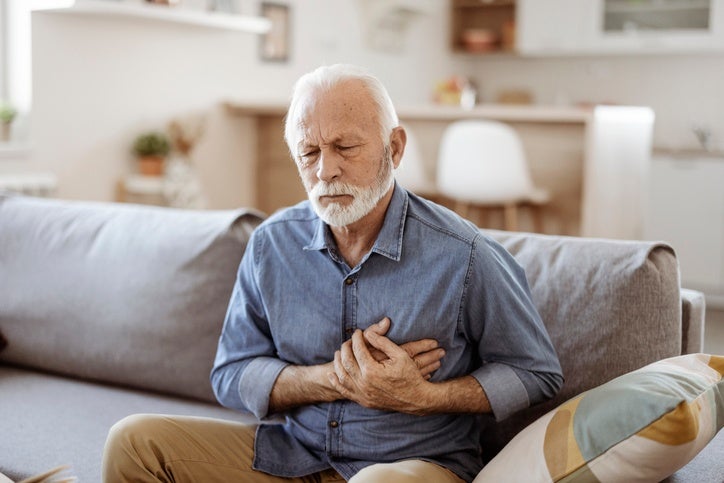
Chest pain is one of the most alarming symptoms a person can experience. While not all chest pain indicates a life-threatening condition, it’s crucial to understand potential underlying causes and when to seek medical attention. Ignoring persistent or severe chest pain can result in dangerous consequences. Reddy Cardiac Wellness & Diabetes Reversal Center breaks down the possible causes, symptoms, and critical signs to help you recognize when chest pain might be serious and what steps to take.
Understanding Chest Pain
Chest pain is a broad term used to describe discomfort in the chest region, which can range from a sharp, stabbing sensation to a dull ache. It can originate from various causes, including issues related to the heart, lungs, muscles, or even the digestive system. Determining the root cause of chest pain is essential for appropriate diagnosis and treatment. While some cases of chest pain are relatively harmless, others may signal severe medical conditions such as heart disease or blood clots. Assessing the nature, location, and associated symptoms of chest pain can provide valuable insight into its seriousness.
Signs That Could Signal Heart Disease
Certain types of chest pain are strongly associated with heart disease. Warning signs to watch for include:
- Pressure or Tightness in the Chest: This may feel like someone is squeezing your chest and is a classic symptom of angina or a heart attack.
- Radiating Pain: Discomfort that spreads to other areas like the shoulder, arm (usually the left), jaw, or back could indicate heart-related problems.
- Shortness of Breath: Difficulty breathing with chest pain might signify a critical issue like a myocardial infarction.
- Cold Sweats, Nausea, or Lightheadedness: These symptoms, combined with chest pain, can be a sign of a heart attack and should never be ignored.
Can Anxiety Cause Chest Pain?
It’s not uncommon for anxiety and stress to manifest as chest pain. Stress-induced chest discomfort is often triggered by elevated adrenaline levels, which can lead to muscle tension and changes in blood flow. Panic attacks can cause intense chest tightness, rapid heartbeat, and difficulty breathing, symptoms that can mimic a heart attack. While anxiety-related chest pain is usually not life-threatening, it’s important to rule out other causes, especially if the pain is new or different from past experiences. Understanding the link between stress and chest pain can empower individuals to manage anxiety effectively and distinguish it from more serious conditions.
What Causes Chest Pain in a Woman?
Chest pain in women can stem from a variety of causes, some of which are unique to their anatomy and health experiences. While heart-related issues in women, such as coronary artery disease or angina, are a common concern, non-cardiac factors can also play a significant role. For example, hormonal fluctuations, especially during menstrual cycles, pregnancy, or menopause, may lead to chest discomfort. Conditions such as gastroesophageal reflux disease (GERD), muscle strain, or even anxiety can manifest as pain in the chest region. Additionally, women may experience atypical heart attack symptoms, such as pressure, shortness of breath, or pain radiating to the back, jaw, or arms.
Pain in the Right Side of the Chest—Is It Serious?
Chest pain localized to the right side is less likely to be related to the heart but shouldn’t be disregarded. While some causes of right-sided chest pain are mild, others can be serious and require prompt evaluation by a healthcare provider. Potential causes of right-sided chest pain include:
- Muscle Strain or injury from strenuous physical activity.
- Gallbladder Issues, where pain often radiates to the right shoulder or back.
- Pulmonary Problems like a collapsed lung or blood clot in the lung.
When Is Chest Pains Serious?
Knowing when to take chest pain seriously can potentially save your life. It’s always better to err on the side of caution. If there’s any doubt about the cause of your chest pain, consult a medical professional immediately. Seek medical attention if you experience:
- Persistent chest pain lasting more than a few minutes.
- Pain accompanied by difficulty breathing, fainting, or extreme fatigue.
- Sudden, sharp chest pain with rapid breathing or rapid heart rate, as this may signal a blood clot.
- Pain that worsens with physical activity or radiates to other parts of your body.
When Is Chest Pain an Emergency?
Call emergency services or visit an emergency room without delay if these symptoms occur. Fast intervention can significantly improve outcomes in life-threatening conditions. Chest pain should be considered an emergency if it’s severe, sudden, or accompanied by the following symptoms:
- Chest discomfort along with cold sweats and nausea.
- A feeling of impending doom, which could signal an impending heart attack.
- Chest pain with loss of consciousness or severe shortness of breath.
- Rapid breathing with sharp pain that worsens when breathing deeply.
Diagnostic Process
When you present with chest pain, healthcare providers aim to determine the precise cause through a combination. We may perform the following:
- Discussing recent activities, medical conditions, and any symptoms.
- Physical exam to check blood pressure, heart rate, and other vitals.
- Electrocardiogram (ECG) to assess the heart’s electrical activity.
- Blood tests to identify markers of heart damage, such as troponin.
- Imaging studies, such as X-rays or CT scans, are used to detect lung or structural abnormalities.
Call Reddy Cardiac Wellness & Diabetes Reversal Center
Reddy Cardiac Wellness & Diabetes Reversal Center is here to optimize your heart health. Whether caused by heart disease, stress, or other factors, never ignore persistent, severe, or unusual chest pain. By acting swiftly and consulting a medical professional, you can protect your health and well-being. Reach out to us today.
-
What Triggers Irregular Heartbeats and How Doctors Detect Them
What Triggers Irregular Heartbeats & How Doctors Detect Them
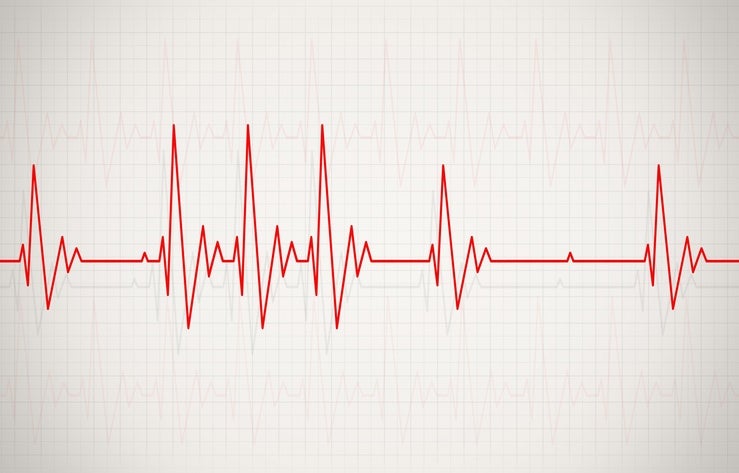
Reddy Cardiac Wellness & Diabetes Reversal Center helps patients understand what triggers irregular heartbeats. Your heart is the engine of your body, beating tirelessly to deliver blood, oxygen, and nutrients to every cell. What happens when this reliable rhythm falters or becomes erratic? An irregular heartbeat, also called a cardiac arrhythmia, is a condition that can arise due to numerous factors. While some forms are harmless, others may signal a more serious underlying issue. Understanding irregular heartbeats, their triggers, symptoms, and treatments can empower you to maintain a healthier heart.
What is Cardiac Arrhythmia Disease?
Cardiac arrhythmia disease refers to any condition in which the heart beats irregularly, too fast, too slow, or with an erratic rhythm. This occurs when the electrical signals that coordinate your heartbeat are disrupted, leading to abnormal heart rhythms. Common types of arrhythmias include atrial fibrillation, bradycardia, and ventricular tachycardia, each with its own causes and risk factors. While some arrhythmias may be harmless, others can significantly impact blood flow, leading to serious complications such as stroke or heart failure. Recognizing the symptoms, such as palpitations, dizziness, or shortness of breath, is crucial for timely medical intervention. With advances in medicine and careful treatment, many individuals with cardiac arrhythmia disease can live healthy, fulfilling lives.
What Triggers Irregular Heartbeats?
Several factors can disrupt the heart’s normal rhythm. The most common triggers include:
- Lifestyle Factors: Stress, excessive caffeine or alcohol consumption, smoking, and a lack of physical activity can affect your heart’s rhythm. Emotional or physical stress can activate the body’s “fight or flight” response, releasing hormones that may cause palpitations or irregular beats.
- Underlying Conditions: Chronic illnesses such as high blood pressure, diabetes, thyroid imbalances, or coronary artery disease are common contributors to arrhythmias. Additionally, a history of heart attack or congenital heart defects can increase your risk.
- Electrolyte Imbalances: Your heart relies on specific electrolytes, such as potassium, magnesium, and calcium, to conduct electrical signals. An imbalance of these electrolytes can interfere with normal heart function.
- Medications: Certain prescription and over-the-counter drugs can worsen or even cause arrhythmias. For example, stimulants found in cold medicines or medications treating ADHD may lead to irregular heartbeats.
- Genetics: Some arrhythmias are hereditary, meaning genetic factors could trigger abnormal heart rhythms.
- Age and Hormonal Changes: Aging naturally impacts heart function, possibly increasing your likelihood of developing arrhythmias. Hormonal changes, such as during menopause or pregnancy, can also influence the heart’s electrical system.
Irregular Heartbeat Symptoms
Not every irregular heartbeat presents noticeable symptoms. These symptoms can range from mild to severe and may come and go sporadically. Pay close attention to how often they occur and their intensity to effectively communicate with your doctor. Some of the most common irregular heartbeat symptoms include:
- Heart palpitations.
- Fatigue or weakness.
- Dizziness or lightheadedness.
- Shortness of breath.
- Fainting or near-fainting spells.
When Should I Be Worried About an Irregular Heartbeat?
While occasional irregular heartbeats are often harmless, persistent or severe symptoms should not be ignored. Seek immediate medical attention if you experience:
- Chest pain or discomfort.
- Prolonged dizziness or fainting episodes.
- Consistent shortness of breath.
- A rapid heartbeat that does not resolve on its own.
How Doctors Detect Arrhythmias
Diagnosing an irregular heartbeat involves a combination of medical history, physical examinations, and diagnostic tools. Your doctor may recommend:
- Electrocardiogram (ECG or EKG): A non-invasive test that records the electrical activity of your heart and identifies irregular patterns.
- Holter Monitor or Event Monitor: Portable devices worn over a period of time to track heart activity during your daily routines.
- Echocardiogram: An ultrasound of the heart to visualize its structure and functionality.
- Stress Test: A stress test is performed during physical activity to observe your heart’s behavior under stress.
- Electrophysiological Study (EPS): A more advanced procedure that maps your heart’s electrical system using catheters.
Irregular Heartbeat Treatment Options
Treatment for irregular heartbeats depends on the type, severity, and underlying cause of the arrhythmia. The most common treatment options for an irregular heartbeat include:
- Lifestyle Modifications: Reducing caffeine and alcohol, increasing physical activity, and managing stress can help control mild arrhythmias.
- Medications: Anti-arrhythmic drugs, beta-blockers, or blood thinners may be prescribed to regulate your heart rhythm and reduce complication risks.
- Medical Procedures: Severe arrhythmias may require interventions like cardioversion, catheter ablation, or the implantation of a pacemaker or defibrillator to restore normal rhythm.
Managing and Preventing Irregular Heartbeats
Proactively managing your heart health is one of the most effective ways to prevent arrhythmias. Maintain a balanced diet rich in fruits, vegetables, and whole grains while limiting processed foods. Regular exercise, quality sleep, and stress reduction practices like meditation or yoga can also strengthen your heart. Routine medical check-ups are equally important to monitor risk factors and catch issues early.
If you have a history of arrhythmias or heart conditions, follow your doctor’s advice closely and adhere to prescribed treatments. Recognizing potential triggers and making informed choices are key to protecting your heart’s rhythm.
Schedule an Appointment With Us
Reddy Cardiac Wellness & Diabetes Reversal Center specializes in heart health. Irregular heartbeats can be concerning, but they are often manageable with knowledge and proactive care. Understanding the triggers, symptoms, and treatment options gives you the tools to take control of your heart health. Always prioritize annual check-ups and seek prompt medical evaluation if serious symptoms arise. Reach out to us today to schedule an appointment.
-
Is Your Heart at Risk? A Guide to Cardiovascular Health
A Practical Guide to Improving Your Cardiovascular Health
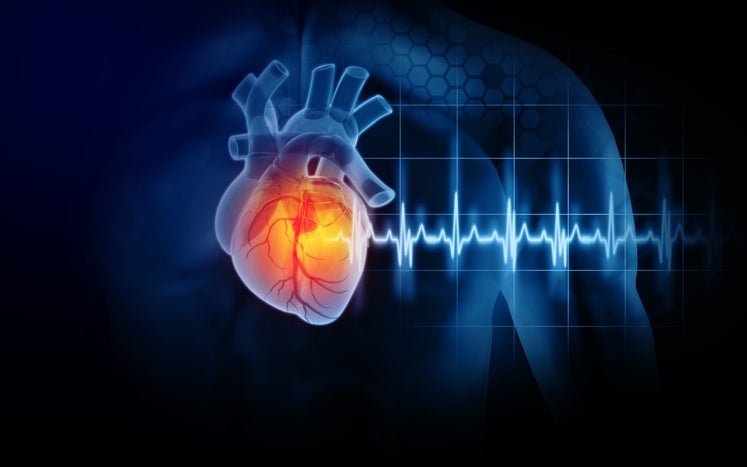
Your heart is at the center of everything you do, pumping life-giving blood to sustain your energy and vitality. Understanding your heart’s health and the risks associated with heart disease is paramount to living a long, healthy life. Cardiovascular conditions are among the leading causes of death, but the good news is that many risks are manageable and even preventable. Reddy Cardiac Wellness and Diabetes Reversal Center offers a comprehensive guide to help equip you with the knowledge to take control of your heart health with confidence and focus.
Understanding Risk Factors for Heart Disease
Heart disease doesn’t happen overnight. It’s often the result of years of cumulative risk factors. These include lifestyle choices, genetic predispositions, and sometimes environmental influences. The leading contributors to heart disease include:
- High blood pressure
- Physical inactivity
- High cholesterol
- Diabetes
- Smoking
- Obesity
It is important to note that these factors are interconnected. For instance, high cholesterol and physical inactivity often lead to obesity, which raises your chances of diabetes and high blood pressure.
Who Is at Risk for Heart Attack and Heart Disease?
While anyone can develop heart disease, certain groups of people face greater risks than others. Age, gender, and family history play a significant role in determining susceptibility. Older adults are naturally at higher risk as age-related changes in the body, such as stiffening of the arteries, make heart disease more likely. Men, particularly those over 45, are more prone to heart attacks than pre-menopausal women, though this gap narrows for women after menopause. Genetics can also be a deciding factor. If you have a family history of heart disease, you should pay close attention to other potential risk factors.
High-Risk Groups of Heart Disease
There are specific populations more likely to suffer from heart disease due to unique physiological or lifestyle challenges. People living with chronic conditions such as diabetes and hypertension need to prioritize cardiovascular care because they are in high-risk categories. Those who smoke or have a sedentary lifestyle are also more vulnerable. Socioeconomic factors like limited access to healthcare and education, particularly in underserved communities, can further elevate the risk. Taking proactive steps within these high-risk groups is essential to preventing complications.
What Causes a Heart Attack?
A heart attack occurs when blood flow to a portion of the heart is blocked, often due to plaque buildup in the coronary arteries. This plaque consists of cholesterol deposits along with other substances like calcium and clotting agents. Over time, these deposits narrow the arteries, a condition known as atherosclerosis. If a plaque ruptures, it can form a blood clot, completely obstructing blood flow. The heart muscle tissue, starved of oxygen and nutrients, begins to die, causing permanent damage unless medical help is quickly received.
Risk Factors for Heart Disease
Heart disease risk factors encompass a mix of controllable and uncontrollable elements. Controllable factors include habits like diet, exercise, and smoking cessation. Consuming a nutrient-rich and heart-friendly diet, high in vegetables, fruits, whole grains, and healthy fats, goes a long way in reducing risk. Exercising regularly can also improve cardiovascular fitness and lower cholesterol. On the other hand, uncontrollable factors such as age, genetics, and ethnicity should prompt vigilance and regular checkups. A proactive approach to managing what you can control is key.
How to Lower the Risk of Heart Attack
Understanding your personal risk profile empowers you to take action. Some of the best ways to lower your risk of a heart attack include:
- Monitor your blood pressure, cholesterol, and sugar levels. If any of these are elevated, consult your healthcare provider for lifestyle changes or medication management recommendations.
- Quit smoking, as both smoking and exposure to second-hand smoke contribute significantly to heart attack risks.
- Get moving. Physical activity strengthens your heart and helps combat other risk factors, such as obesity and high blood sugar.
How to Prevent Heart Attacks
Prevention is the goal to boost heart health. Some of the best ways to help prevent heart attacks include:
- Stress reduction is critical. Chronic stress can trigger high blood pressure and other heart-disease-related complications.
- Engage in calming activities such as yoga, meditation, or even simple breathing exercises.
- Routine medical checkups are vital. Early screenings and monitoring of risk factors can catch issues early before they escalate.
- Ensure you get enough sleep, as inadequate rest can disrupt your hormone balance and elevate your risk.
Take Control of Your Heart Health Today
As Sugar Land, TX’s premier cardiology and diabetes reversal center, Reddy Cardiac Wellness & Diabetes Reversal Center is here for you. By understanding the risk factors for heart disease, identifying high-risk groups, and adopting preventative measures, you can help reduce your chances of a heart attack and other complications. Knowledge, paired with proactive choices, is an empowering combination that ensures your heart stays strong and resilient for years. Contact us today to schedule your appointment.
-
How Changing Your Lifestyle Can Help Control and Avoid Varicose Veins
How Changing Your Lifestyle Can Help Control & Avoid Varicose Veins
Varicose veins are a common issue that many people face as they get older, particularly in Sugar Land, TX. These swollen, twisted veins can appear in various parts of the body, though they are most commonly found in the legs. While varicose veins are not usually life-threatening, they can cause discomfort, pain, and embarrassment. Thankfully, lifestyle changes can help manage, control, and even prevent the development of varicose veins.
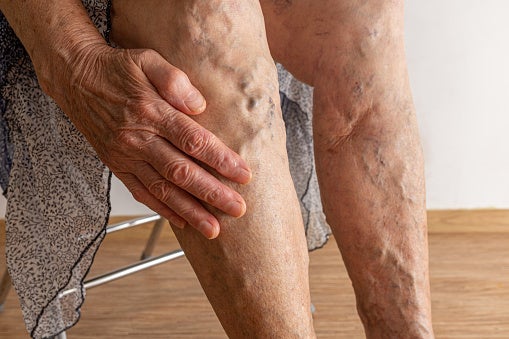
Understanding Varicose Veins
Varicose veins occur when the veins in your legs become enlarged and twisted. This happens when the valves inside the veins become weak or damaged, causing blood to pool and the veins to bulge out. The result is visible, often swollen veins that can be painful or unsightly.
Some people are more prone to developing varicose veins due to factors such as age, genetics, pregnancy, and prolonged standing or sitting. While varicose veins are more common in women, they can affect anyone. There are also many different varicose veins symptoms and varicose veins causes.
The Role of Lifestyle in Varicose Veins
Your lifestyle plays a significant role in both the prevention and management of varicose veins. While you can’t change some risk factors like age or genetics, there are many steps you can take to reduce your risk and alleviate symptoms if you already have varicose veins. Here are some ways your daily habits and routines impact varicose veins:
- Inactivity: Prolonged sitting or standing can cause blood to pool in your legs, increasing the likelihood of varicose veins.
- Obesity: Carrying extra weight puts added pressure on your veins, which can contribute to the development of varicose veins.
- Diet: Poor dietary habits can affect your circulation and vascular health, while a diet high in salt and low in fiber can increase the risk of varicose veins.
- Smoking: Smoking damages the blood vessels, contributing to poor circulation and increasing the risk of vein-related problems.
Effective Lifestyle Changes to Control & Prevent Varicose Veins
Making certain lifestyle changes can help prevent the development of varicose veins or prevent existing ones from worsening. Instead of needing professional varicose vein treatment, you may benefit from:
- Exercise regularly: Physical activity is one of the best ways to improve circulation and strengthen the muscles that support your veins. Walking, swimming, or cycling are particularly effective in reducing the risk of varicose veins.
- Maintain a healthy weight: Losing excess weight helps reduce pressure on your veins, lowering your chances of developing varicose veins.
- Elevate your legs: To improve circulation, try elevating your legs above your heart level for 15-20 minutes a few times a day. This can help alleviate pressure and prevent blood from pooling in your veins.
- Wear compression stockings: Compression stockings help improve blood flow by applying gentle pressure to your legs. This can reduce swelling and pain caused by varicose veins.
- Avoid prolonged standing or sitting: If you have a job that requires long periods of standing or sitting, make sure to take breaks and move around. Stretching your legs or walking for a few minutes every hour can keep your blood flowing and reduce the risk of varicose veins.
Additional Tips for Vein Health
In addition to the lifestyle changes mentioned above, here are some extra tips to improve your vein health:
- Stay hydrated: Drinking plenty of water helps maintain healthy circulation, preventing your veins from becoming overly stressed.
- Eat a balanced diet: A healthy diet rich in fiber, vitamins, and minerals can support your blood vessel health. Focus on foods that are high in antioxidants and omega-3 fatty acids to promote circulation.
- Limit alcohol consumption: Excessive drinking can weaken blood vessel walls, contributing to varicose veins. Stick to moderate alcohol intake to maintain healthy circulation.
- Don’t cross your legs: Crossing your legs while sitting can restrict blood flow and lead to increased pressure on your veins. Try to sit with your feet flat on the floor to improve circulation.
When to Seek Medical Advice
If your varicose veins are causing significant pain, discomfort, or swelling, or if you notice changes in the appearance of your veins, it’s important to seek medical advice. While varicose veins are typically not dangerous, they can sometimes lead to complications such as blood clots or ulcers.
Contact Reddy Cardiac Wellness and Diabetes Reversal Center in Sugar Land, TX, if you are concerned about your varicose veins. A healthcare professional can evaluate your condition and recommend appropriate treatment options, including minimally invasive procedures or varicose vein surgery if necessary.
Take Control of Your Vein Health
While varicose veins may be a common issue, they don’t have to control your life. By making simple changes to your lifestyle, you can significantly reduce your risk and keep your veins healthy. Exercise, healthy eating, and taking care of your circulation can go a long way in preventing varicose veins and alleviating symptoms. Take control of your vein health today by adopting these lifestyle changes and reaching out to a professional if needed. Contact Reddy Cardiac Wellness and Diabetes Reversal Center today to get personalized support and expert care for your vein health.
-
How Stress and Heart Palpitations Are Related
Why Stress Causes Heart Palpitations and How You Can Control It
Heart palpitations can be a concerning experience, especially when they seem to appear out of nowhere. In Sugar Land, TX, many people find themselves struggling with palpitations tied to stress or anxiety. These sensations can feel like your heart is racing, fluttering, or skipping beats, and they often occur during times of high emotional pressure. The good news? Stress-related heart palpitations are common and can be managed with the right strategies.
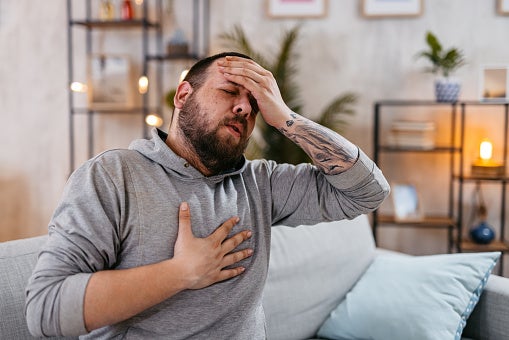
What Are Heart Palpitations?
Heart palpitations are the feeling of your heart pounding, fluttering, or beating irregularly. They can happen at any time, even when you’re sitting still or lying down. While they’re often associated with anxiety or stress, palpitations can also be triggered by physical exertion, caffeine, medications, or certain medical conditions. However, in many cases, emotional triggers such as stress and anxiety are the primary causes.
The feeling of heart palpitations is not always a sign of a serious problem, but they can be uncomfortable and worrying. Understanding the connection between stress and palpitations can help you reduce your symptoms and take control of your health.
Common Causes, Including Emotional Triggers
While heart palpitations can have a variety of causes, emotional triggers play a significant role. Here are some of the most common factors:
- Stress: Physical and emotional stress can cause your heart rate to increase, leading to palpitations.
- Anxiety: Anxiety disorders often cause episodes of racing heartbeats, especially when feeling overwhelmed or fearful.
- Caffeine or stimulants: These substances can trigger palpitations by stimulating the nervous system. Sugar heart palpitations can sometimes occur.
- Hormonal changes: Pregnancy, menopause, or thyroid issues can contribute to heart palpitations.
- Dehydration or low blood sugar: Both conditions can cause your heart to work harder, resulting in palpitations.
How Stress Affects the Heart
When you’re stressed, your body releases hormones like adrenaline and cortisol that prepare you to react to danger. This is known as the “fight or flight” response. These hormones increase your heart rate, tighten your blood vessels, and elevate blood pressure, which can lead to the sensation of palpitations.
While stress is a natural response to challenging situations, chronic stress can have a long-term impact on your heart. Over time, persistent high stress levels can contribute to heart disease, high blood pressure, and other cardiovascular issues. Stress management is therefore essential for both your mental and physical health.
Signs Your Palpitations May Be Stress-Related
If your palpitations are stress-related, they often have specific characteristics. While there are many potential heart palpitations causes, stress can often be a factor. Here’s what to watch for:
- You notice palpitations during or after stressful events.
- They’re accompanied by feelings of anxiety, nervousness, or tension.
- The palpitations are irregular but not painful.
- You experience other stress symptoms such as sweating, shaking, or difficulty relaxing.
- The palpitations subside once the stressor is resolved.
When to Be Concerned
While occasional heart palpitations are typically not a cause for concern, there are certain situations where you should seek medical help. If your palpitations are frequent, severe, or accompanied by any of the following, it’s important to talk to a healthcare provider:
- Chest pain or discomfort
- Shortness of breath or dizziness
- Fainting or lightheadedness
- Swelling in the legs or ankles
- A history of heart disease
Managing Stress to Reduce Heart Palpitations
There are several strategies you can implement to manage stress and reduce the frequency of heart palpitations:
- Relaxation techniques: Practices like deep breathing, meditation, and yoga can help activate your body’s relaxation response.
- Exercise: Regular physical activity reduces stress and strengthens the heart.
- Sleep hygiene: Aim for at least 7-8 hours of sleep each night to help your body recover and manage stress better.
- Mindfulness: Mindfulness practices can help you stay present and reduce stress by preventing you from dwelling on worries.
- Talking to a professional: Speaking with a therapist can help address underlying anxiety or stress issues contributing to palpitations.
Treatment Options
In some cases, you may need additional support to manage heart palpitations. These heart palpitation treatment options can include:
- Medications: Anti-anxiety medications or beta-blockers may be prescribed to help regulate your heart rate and manage anxiety.
- Cognitive-behavioral therapy (CBT): CBT is effective in helping people reduce stress and anxiety that contribute to heart palpitations.
- Biofeedback: This technique teaches you how to control certain bodily functions, including heart rate, to reduce stress.
Take Control of Your Heart Health
Stress and heart palpitations can be unsettling, but with the right tools and support, you can manage your symptoms. If you’re experiencing frequent palpitations and stress in Sugar Land, TX, don’t hesitate to reach out to Reddy Cardiac Wellness and Diabetes Reversal Center. We can help you discover the best heart valve disease treatment option. Acting now can help you regain control over your health and well-being. Contact us today to schedule a consultation.
-
How to Deal with Anxiety’s Contribution to Shortness of Breath
How Anxiety Impacts Breathing and Effective Ways to Find Relief
Feeling like you can’t catch your breath can be incredibly unsettling, especially if you’re not sure what’s causing it. In Sugar Land, TX, many people dealing with anxiety experience this frightening sensation. Anxiety-induced shortness of breath is a common yet often misunderstood condition that can make it difficult to go about your day. The good news? It’s manageable—and you’re not alone.

Understanding the Connection Between Anxiety & Shortness of Breath
Anxiety impacts both the mind and body. When your brain perceives a threat—real or imagined—it signals your body to prepare for “fight or flight.” This response includes a flood of stress hormones that increase heart rate, tense muscles, and alter your breathing pattern. You may not even realize your breathing has changed until you feel lightheaded or tight in the chest.
This chain reaction is what often leads to anxiety and shortness of breath. The sensation can be alarming and mimic more serious conditions, but understanding the link between mental health and breathing issues is the first step in taking control.
Why Anxiety Causes Breathing Issues
When anxiety hits, your breathing often becomes shallow and rapid. This is known as hyperventilation. It throws off the balance of oxygen and carbon dioxide in your bloodstream, causing symptoms like dizziness, tingling in the fingers, and, yes, shortness of breath.
In some cases, the anxiety may also trigger chest tightness or a feeling of heart fluttering. These symptoms can mimic cardiac issues, which only fuels the fear and intensifies the anxiety, creating a vicious cycle.
It’s important to understand that while these symptoms feel physical, their root cause is often emotional or psychological. This doesn’t mean they’re “all in your head”—it means the body is responding to stress in a very real way.
Common Symptoms to Watch For
If you’re trying to determine whether your breathing difficulties are related to anxiety, here are some signs to look for:
- You feel short of breath but are still able to speak in full sentences
- Symptoms appear during or shortly after stressful situations
- You notice a fluttering sensation in your chest or rapid heartbeat
- There’s no obvious physical cause like exercise or illness
- Breathing difficulty comes and goes depending on your emotional state
Quick Relief Techniques for Anxiety-Related Shortness of Breath
There are a few immediate techniques that can help manage anxiety-induced shortness of breath when it strikes:
- Pursed-lip breathing: Inhale through your nose and exhale slowly through pursed lips. This slows your breathing and helps restore proper oxygen levels.
- 4-7-8 technique: Inhale for 4 seconds, hold for 7, and exhale for 8. Repeat until your breathing steadies.
- Grounding exercises: Focus on what you can see, hear, touch, smell, and taste to anchor yourself in the present.
- Progressive muscle relaxation: Tense and release muscles throughout your body, starting with your toes and working up to your face.
When to Seek Professional Help
You don’t have to manage anxiety or shortness of breath alone. While many find relief with at-home techniques, others benefit from professional support. If symptoms are frequent, intense, or interfere with your daily life, it’s time to consult with a doctor or mental health professional.
A medical provider can rule out other shortness of breath causes such as asthma, heart valve disease, or other cardiovascular concerns. Once a proper diagnosis is made, you can explore shortness of breath treatment options that address both the physical and emotional components.
Take Control of Anxiety & Your Breathing
Anxiety can feel like it’s taking over, but you have more control than you might think. With the right tools and support, you can manage your symptoms and take a deep breath—literally and figuratively. If you’re in the Sugar Land, TX area and want help addressing anxiety, shortness of breath, or related heart symptoms, Reddy Cardiac Wellness and Diabetes Reversal Center is here to help. Contact us today to schedule a consultation and start your journey to better health.
-
The Root Causes of Heart Failure
Understanding the Root Causes of Heart Failure and How to Manage It
Heart health is essential for your overall well-being, so you should make every effort to ensure yours is in peak condition. If you live in Sugar Land, TX, Reddy Cardiology can help you do that and prevent heart failure. We specialize in cardiac wellness and provide personalized care to improve heart health for our patients from throughout the region. Our expert cardiologists have years of experience treating cardiac conditions with compassion and precision. With that in mind, read further to understand what heart failure is, the common root causes, key risk factors, symptoms, and potential treatments.
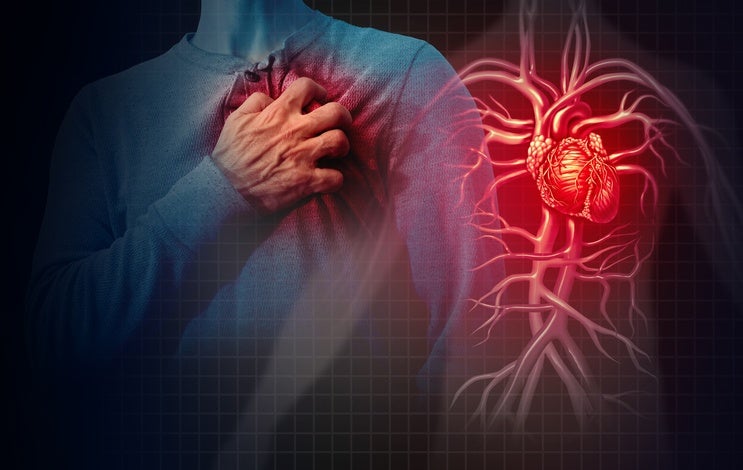
What Is Heart Failure?
Heart failure doesn’t mean that your heart has stopped working altogether. It’s a condition where your heart isn’t pumping blood as efficiently as it should. When this happens, your organs and tissues may not get enough oxygen-rich blood, leading to fatigue, shortness of breath, and other complications. Heart failure is a chronic condition. While it cannot always be cured, a trusted cardiologist can help you manage it effectively through a combination of lifestyle changes and medical treatment.
Common Heart Failure Causes
Understanding the causes of heart failure can help you reduce your risk and maintain a healthier heart. Below are some of the most common contributing factors:
- Coronary Artery Disease (CAD) – This occurs when the arteries that supply blood to the heart narrow or become blocked, reducing blood flow and straining the heart.
- High Blood Pressure – When your blood pressure is too high, your heart must work harder to pump blood, which can weaken it over time.
- Diabetes – High blood sugar levels can damage your blood vessels and heart tissue, increasing the risk of heart failure.
- Heart Valve Disease – Improperly functioning heart valves may cause the heart to work harder, leading to strain.
- Heart Attack History – A previous heart attack can scar the heart muscle, affecting its ability to pump effectively.
Be Wary of Heart Failure Risk Factors
Certain lifestyle choices and medical conditions can increase your risk of developing heart failure. Recognizing these common risk factors early is key to protecting your heart:
- Obesity – Excess weight adds strain on the heart and contributes to conditions like high blood pressure and diabetes.
- Smoking – Smoking damages both the heart and blood vessels, significantly raising your risk.
- Family History – Genetics can play a role, especially if close family members have heart disease.
- Sedentary Lifestyle – A lack of physical activity can contribute to weight gain and poor cardiovascular health.
- Poor Diet – Diets high in saturated fats, sodium, and sugar can lead to clogged arteries and other heart problems.
How to Prevent Heart Failure and Maintain Your Health
Prevention is often the best treatment. Taking proactive steps to support your health can significantly lower your risk of heart failure. Here are ways you can get started:
- Adopt a Heart-Healthy Diet – Focus on eating fruits, vegetables, whole grains, lean proteins, and healthy fats like those found in fish and nuts.
- Stay Active – Aim for at least 150 minutes of moderate exercise each week, like brisk walking or swimming.
- Quit Smoking – Seek support and resources to help you quit smoking for good.
- Manage Stress – Practice relaxation techniques like deep breathing, meditation, or yoga to reduce stress levels.
- Schedule Regular Check-Ups – Visit your doctor for routine check-ups to monitor your blood pressure, cholesterol levels, and blood sugar.
Identifying Heart Failure Symptoms
Recognizing heart failure symptoms can make a significant difference when seeking medical care. If you or a loved one experiences the following common heart failure symptoms, consult a cardiologist or healthcare provider right away:
- Shortness of breath during activities or even while resting
- Persistent fatigue or weakness
- Swelling in the legs, ankles, or feet
- Rapid or irregular heartbeat
- Difficulty concentrating or confusion
- Persistent coughing or wheezing, sometimes with pink, frothy mucus
Potential Heart Failure Treatments
If you’re diagnosed with heart failure, Reddy Cardiology can recommend multiple methods of managing symptoms and improving your quality of life. We personalize all of our treatments, so working closely with our cardiovascular team is essential. Heart failure treatments may include one or more of the following:
- Lifestyle Changes – We may recommend diet adjustments, tailored physical activity routines, and smoking cessation.
- Medications – Certain medications – such as diuretics, ACE inhibitors, and beta-blockers – help manage blood pressure, reduce fluid buildup, and support the heart’s function.
- Cardiac Interventional Procedures – Advanced procedures like angioplasty or valve repair may be necessary if structural issues contribute to heart failure.
- Implantable Devices – Devices like pacemakers or defibrillators can help stabilize irregular heart rhythms.
What to Do if You Experience Serious Heart Problems
If you suspect you’re experiencing a cardiac emergency, such as chest pain, fainting, or severe shortness of breath, seek immediate medical attention. It’s important not to delay care. For non-emergency concerns, schedule an appointment with a cardiologist to assess your condition and develop an appropriate treatment plan.
Reddy Cardiology Can Be Your Lifeline
Reddy Cardiology is committed to helping you maintain a strong heart and a healthy life. Our team is experienced in diagnosing and treating heart failure, as well as guiding patients through preventative strategies. We understand every patient’s needs are unique, so we offer personalized care plans. From state-of-the-art cardiac interventional procedures to compassionate patient care, we’re here to support every step of your heart health journey.
Contact Us for Cardiac Wellness Care in Sugar Land, TX, Today
Put your heart in expert hands. If you need guidance regarding heart failure symptoms, treatments, or prevention tips, Reddy Cardiology in Sugar Land, TX, is the team to call. With our expertise and your commitment, better heart health is within reach. Contact us today to schedule an appointment and begin your cardiac wellness journey.
-
Understanding the Hidden Health Condition Affecting Obesity
With all the medical problems we see today including diabetes, heart disease, obesity, and some cancers; one very common condition may be fueling most of these diseases. This disease is called Non-Alcoholic Fatty Liver Disease or more simply ‘FATTY LIVER’. It is seen in people who don’t drink alcohol, but their livers resemble that of a person who is an alcoholic. This condition is more common than you might think; in fact 25% of people in the United States are affected by it and probably, even more, are undiagnosed. So there’s a good chance you might have it. The worst part is many doctors do not know how to treat this disease, let alone check for it routinely.
Have you heard the saying “All roads lead to Rome”? It is an old idiomatic expression which explains that many different routes would lead to the same goal. It is based on the fact that the Roman Empire’s road system is designed in such a way that all of its roads radiate from one source which is the capital. Fatty liver disease is exactly like Rome. Most if not all disease processes emanate from fatty liver.
So if you have diabetes, heart disease, obesity, or other diseases, you also have a fatty liver. And the only way to cure all these conditions is to reverse your fatty liver.
Let’s take a crack at it today and learn everything about fatty liver disease and how to reverse it. Watch the video.