-
Is Your Chest Pain Serious? Signs You Shouldn’t Ignore
Recognizing Chest Pain Symptoms That Need Urgent Attention
Chest pain is one of the most alarming symptoms a person can experience. While not all chest pain indicates a life-threatening condition, it’s crucial to understand potential underlying causes and when to seek medical attention. Ignoring persistent or severe chest pain can result in dangerous consequences. Reddy Cardiac Wellness & Diabetes Reversal Center breaks down the possible causes, symptoms, and critical signs to help you recognize when chest pain might be serious and what steps to take.
Understanding Chest Pain
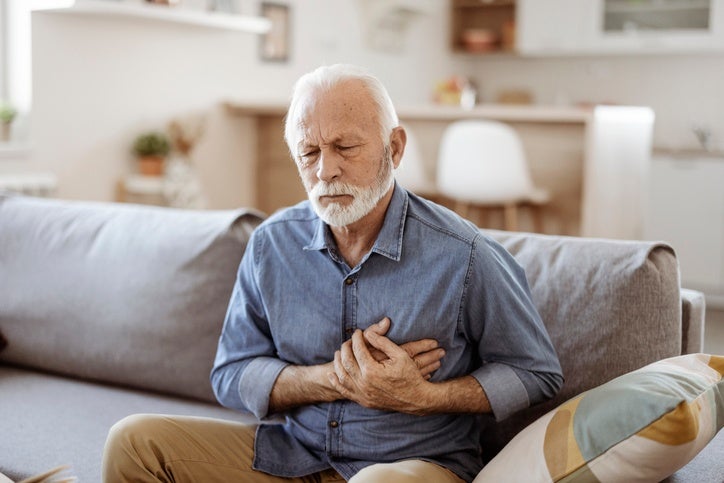
Chest pain is a broad term used to describe discomfort in the chest region, which can range from a sharp, stabbing sensation to a dull ache. It can originate from various causes, including issues related to the heart, lungs, muscles, or even the digestive system. Determining the root cause of chest pain is essential for appropriate diagnosis and treatment. While some cases of chest pain are relatively harmless, others may signal severe medical conditions such as heart disease or blood clots. Assessing the nature, location, and associated symptoms of chest pain can provide valuable insight into its seriousness.
Signs That Could Signal Heart Disease
Certain types of chest pain are strongly associated with heart disease. Warning signs to watch for include:
- Pressure or Tightness in the Chest: This may feel like someone is squeezing your chest and is a classic symptom of angina or a heart attack.
- Radiating Pain: Discomfort that spreads to other areas like the shoulder, arm (usually the left), jaw, or back could indicate heart-related problems.
- Shortness of Breath: Difficulty breathing with chest pain might signify a critical issue like a myocardial infarction.
- Cold Sweats, Nausea, or Lightheadedness: These symptoms, combined with chest pain, can be a sign of a heart attack and should never be ignored.
Can Anxiety Cause Chest Pain?
It’s not uncommon for anxiety and stress to manifest as chest pain. Stress-induced chest discomfort is often triggered by elevated adrenaline levels, which can lead to muscle tension and changes in blood flow. Panic attacks can cause intense chest tightness, rapid heartbeat, and difficulty breathing, symptoms that can mimic a heart attack. While anxiety-related chest pain is usually not life-threatening, it’s important to rule out other causes, especially if the pain is new or different from past experiences. Understanding the link between stress and chest pain can empower individuals to manage anxiety effectively and distinguish it from more serious conditions.
What Causes Chest Pain in a Woman?
Chest pain in women can stem from a variety of causes, some of which are unique to their anatomy and health experiences. While heart-related issues in women, such as coronary artery disease or angina, are a common concern, non-cardiac factors can also play a significant role. For example, hormonal fluctuations, especially during menstrual cycles, pregnancy, or menopause, may lead to chest discomfort. Conditions such as gastroesophageal reflux disease (GERD), muscle strain, or even anxiety can manifest as pain in the chest region. Additionally, women may experience atypical heart attack symptoms, such as pressure, shortness of breath, or pain radiating to the back, jaw, or arms.
Pain in the Right Side of the Chest—Is It Serious?
Chest pain localized to the right side is less likely to be related to the heart but shouldn’t be disregarded. While some causes of right-sided chest pain are mild, others can be serious and require prompt evaluation by a healthcare provider. Potential causes of right-sided chest pain include:
- Muscle Strain or injury from strenuous physical activity.
- Gallbladder Issues, where pain often radiates to the right shoulder or back.
- Pulmonary Problems like a collapsed lung or blood clot in the lung.
When Is Chest Pains Serious?
Knowing when to take chest pain seriously can potentially save your life. It’s always better to err on the side of caution. If there’s any doubt about the cause of your chest pain, consult a medical professional immediately. Seek medical attention if you experience:
- Persistent chest pain lasting more than a few minutes.
- Pain accompanied by difficulty breathing, fainting, or extreme fatigue.
- Sudden, sharp chest pain with rapid breathing or rapid heart rate, as this may signal a blood clot.
- Pain that worsens with physical activity or radiates to other parts of your body.
When Is Chest Pain an Emergency?
Call emergency services or visit an emergency room without delay if these symptoms occur. Fast intervention can significantly improve outcomes in life-threatening conditions. Chest pain should be considered an emergency if it’s severe, sudden, or accompanied by the following symptoms:
- Chest discomfort along with cold sweats and nausea.
- A feeling of impending doom, which could signal an impending heart attack.
- Chest pain with loss of consciousness or severe shortness of breath.
- Rapid breathing with sharp pain that worsens when breathing deeply.
Diagnostic Process
When you present with chest pain, healthcare providers aim to determine the precise cause through a combination. We may perform the following:
- Discussing recent activities, medical conditions, and any symptoms.
- Physical exam to check blood pressure, heart rate, and other vitals.
- Electrocardiogram (ECG) to assess the heart’s electrical activity.
- Blood tests to identify markers of heart damage, such as troponin.
- Imaging studies, such as X-rays or CT scans, are used to detect lung or structural abnormalities.
Call Reddy Cardiac Wellness & Diabetes Reversal Center
Reddy Cardiac Wellness & Diabetes Reversal Center is here to optimize your heart health. Whether caused by heart disease, stress, or other factors, never ignore persistent, severe, or unusual chest pain. By acting swiftly and consulting a medical professional, you can protect your health and well-being. Reach out to us today.
-
What Triggers Irregular Heartbeats and How Doctors Detect Them
What Triggers Irregular Heartbeats & How Doctors Detect Them
Reddy Cardiac Wellness & Diabetes Reversal Center helps patients understand what triggers irregular heartbeats. Your heart is the engine of your body, beating tirelessly to deliver blood, oxygen, and nutrients to every cell. What happens when this reliable rhythm falters or becomes erratic? An irregular heartbeat, also called a cardiac arrhythmia, is a condition that can arise due to numerous factors. While some forms are harmless, others may signal a more serious underlying issue. Understanding irregular heartbeats, their triggers, symptoms, and treatments can empower you to maintain a healthier heart.
What is Cardiac Arrhythmia Disease?
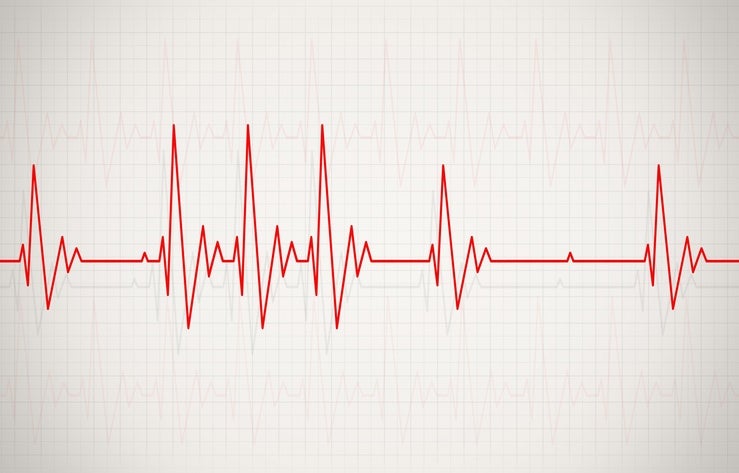
Cardiac arrhythmia disease refers to any condition in which the heart beats irregularly, too fast, too slow, or with an erratic rhythm. This occurs when the electrical signals that coordinate your heartbeat are disrupted, leading to abnormal heart rhythms. Common types of arrhythmias include atrial fibrillation, bradycardia, and ventricular tachycardia, each with its own causes and risk factors. While some arrhythmias may be harmless, others can significantly impact blood flow, leading to serious complications such as stroke or heart failure. Recognizing the symptoms, such as palpitations, dizziness, or shortness of breath, is crucial for timely medical intervention. With advances in medicine and careful treatment, many individuals with cardiac arrhythmia disease can live healthy, fulfilling lives.
What Triggers Irregular Heartbeats?
Several factors can disrupt the heart’s normal rhythm. The most common triggers include:
- Lifestyle Factors: Stress, excessive caffeine or alcohol consumption, smoking, and a lack of physical activity can affect your heart’s rhythm. Emotional or physical stress can activate the body’s “fight or flight” response, releasing hormones that may cause palpitations or irregular beats.
- Underlying Conditions: Chronic illnesses such as high blood pressure, diabetes, thyroid imbalances, or coronary artery disease are common contributors to arrhythmias. Additionally, a history of heart attack or congenital heart defects can increase your risk.
- Electrolyte Imbalances: Your heart relies on specific electrolytes, such as potassium, magnesium, and calcium, to conduct electrical signals. An imbalance of these electrolytes can interfere with normal heart function.
- Medications: Certain prescription and over-the-counter drugs can worsen or even cause arrhythmias. For example, stimulants found in cold medicines or medications treating ADHD may lead to irregular heartbeats.
- Genetics: Some arrhythmias are hereditary, meaning genetic factors could trigger abnormal heart rhythms.
- Age and Hormonal Changes: Aging naturally impacts heart function, possibly increasing your likelihood of developing arrhythmias. Hormonal changes, such as during menopause or pregnancy, can also influence the heart’s electrical system.
Irregular Heartbeat Symptoms
Not every irregular heartbeat presents noticeable symptoms. These symptoms can range from mild to severe and may come and go sporadically. Pay close attention to how often they occur and their intensity to effectively communicate with your doctor. Some of the most common irregular heartbeat symptoms include:
- Heart palpitations.
- Fatigue or weakness.
- Dizziness or lightheadedness.
- Shortness of breath.
- Fainting or near-fainting spells.
When Should I Be Worried About an Irregular Heartbeat?
While occasional irregular heartbeats are often harmless, persistent or severe symptoms should not be ignored. Seek immediate medical attention if you experience:
- Chest pain or discomfort.
- Prolonged dizziness or fainting episodes.
- Consistent shortness of breath.
- A rapid heartbeat that does not resolve on its own.
How Doctors Detect Arrhythmias
Diagnosing an irregular heartbeat involves a combination of medical history, physical examinations, and diagnostic tools. Your doctor may recommend:
- Electrocardiogram (ECG or EKG): A non-invasive test that records the electrical activity of your heart and identifies irregular patterns.
- Holter Monitor or Event Monitor: Portable devices worn over a period of time to track heart activity during your daily routines.
- Echocardiogram: An ultrasound of the heart to visualize its structure and functionality.
- Stress Test: A stress test is performed during physical activity to observe your heart’s behavior under stress.
- Electrophysiological Study (EPS): A more advanced procedure that maps your heart’s electrical system using catheters.
Irregular Heartbeat Treatment Options
Treatment for irregular heartbeats depends on the type, severity, and underlying cause of the arrhythmia. The most common treatment options for an irregular heartbeat include:
- Lifestyle Modifications: Reducing caffeine and alcohol, increasing physical activity, and managing stress can help control mild arrhythmias.
- Medications: Anti-arrhythmic drugs, beta-blockers, or blood thinners may be prescribed to regulate your heart rhythm and reduce complication risks.
- Medical Procedures: Severe arrhythmias may require interventions like cardioversion, catheter ablation, or the implantation of a pacemaker or defibrillator to restore normal rhythm.
Managing and Preventing Irregular Heartbeats
Proactively managing your heart health is one of the most effective ways to prevent arrhythmias. Maintain a balanced diet rich in fruits, vegetables, and whole grains while limiting processed foods. Regular exercise, quality sleep, and stress reduction practices like meditation or yoga can also strengthen your heart. Routine medical check-ups are equally important to monitor risk factors and catch issues early.
If you have a history of arrhythmias or heart conditions, follow your doctor’s advice closely and adhere to prescribed treatments. Recognizing potential triggers and making informed choices are key to protecting your heart’s rhythm.
Schedule an Appointment With Us
Reddy Cardiac Wellness & Diabetes Reversal Center specializes in heart health. Irregular heartbeats can be concerning, but they are often manageable with knowledge and proactive care. Understanding the triggers, symptoms, and treatment options gives you the tools to take control of your heart health. Always prioritize annual check-ups and seek prompt medical evaluation if serious symptoms arise. Reach out to us today to schedule an appointment.
-
Is Your Heart at Risk? A Guide to Cardiovascular Health
A Practical Guide to Improving Your Cardiovascular Health
Your heart is at the center of everything you do, pumping life-giving blood to sustain your energy and vitality. Understanding your heart’s health and the risks associated with heart disease is paramount to living a long, healthy life. Cardiovascular conditions are among the leading causes of death, but the good news is that many risks are manageable and even preventable. Reddy Cardiac Wellness and Diabetes Reversal Center offers a comprehensive guide to help equip you with the knowledge to take control of your heart health with confidence and focus.
Understanding Risk Factors for Heart Disease
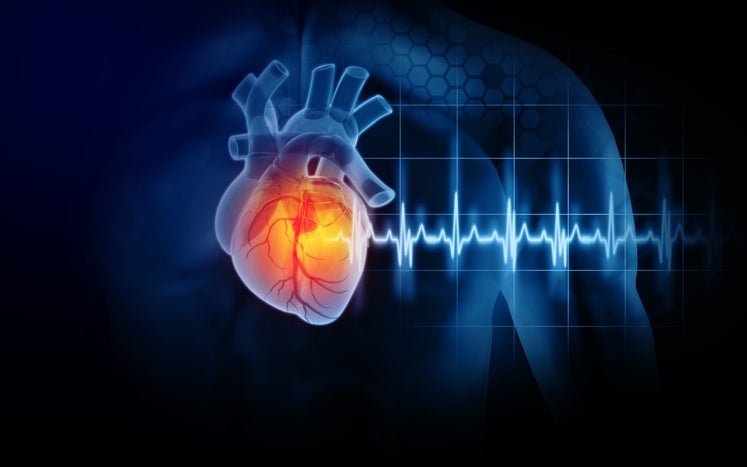
Heart disease doesn’t happen overnight. It’s often the result of years of cumulative risk factors. These include lifestyle choices, genetic predispositions, and sometimes environmental influences. The leading contributors to heart disease include:
- High blood pressure
- Physical inactivity
- High cholesterol
- Diabetes
- Smoking
- Obesity
It is important to note that these factors are interconnected. For instance, high cholesterol and physical inactivity often lead to obesity, which raises your chances of diabetes and high blood pressure.
Who Is at Risk for Heart Attack and Heart Disease?
While anyone can develop heart disease, certain groups of people face greater risks than others. Age, gender, and family history play a significant role in determining susceptibility. Older adults are naturally at higher risk as age-related changes in the body, such as stiffening of the arteries, make heart disease more likely. Men, particularly those over 45, are more prone to heart attacks than pre-menopausal women, though this gap narrows for women after menopause. Genetics can also be a deciding factor. If you have a family history of heart disease, you should pay close attention to other potential risk factors.
High-Risk Groups of Heart Disease
There are specific populations more likely to suffer from heart disease due to unique physiological or lifestyle challenges. People living with chronic conditions such as diabetes and hypertension need to prioritize cardiovascular care because they are in high-risk categories. Those who smoke or have a sedentary lifestyle are also more vulnerable. Socioeconomic factors like limited access to healthcare and education, particularly in underserved communities, can further elevate the risk. Taking proactive steps within these high-risk groups is essential to preventing complications.
What Causes a Heart Attack?
A heart attack occurs when blood flow to a portion of the heart is blocked, often due to plaque buildup in the coronary arteries. This plaque consists of cholesterol deposits along with other substances like calcium and clotting agents. Over time, these deposits narrow the arteries, a condition known as atherosclerosis. If a plaque ruptures, it can form a blood clot, completely obstructing blood flow. The heart muscle tissue, starved of oxygen and nutrients, begins to die, causing permanent damage unless medical help is quickly received.
Risk Factors for Heart Disease
Heart disease risk factors encompass a mix of controllable and uncontrollable elements. Controllable factors include habits like diet, exercise, and smoking cessation. Consuming a nutrient-rich and heart-friendly diet, high in vegetables, fruits, whole grains, and healthy fats, goes a long way in reducing risk. Exercising regularly can also improve cardiovascular fitness and lower cholesterol. On the other hand, uncontrollable factors such as age, genetics, and ethnicity should prompt vigilance and regular checkups. A proactive approach to managing what you can control is key.
How to Lower the Risk of Heart Attack
Understanding your personal risk profile empowers you to take action. Some of the best ways to lower your risk of a heart attack include:
- Monitor your blood pressure, cholesterol, and sugar levels. If any of these are elevated, consult your healthcare provider for lifestyle changes or medication management recommendations.
- Quit smoking, as both smoking and exposure to second-hand smoke contribute significantly to heart attack risks.
- Get moving. Physical activity strengthens your heart and helps combat other risk factors, such as obesity and high blood sugar.
How to Prevent Heart Attacks
Prevention is the goal to boost heart health. Some of the best ways to help prevent heart attacks include:
- Stress reduction is critical. Chronic stress can trigger high blood pressure and other heart-disease-related complications.
- Engage in calming activities such as yoga, meditation, or even simple breathing exercises.
- Routine medical checkups are vital. Early screenings and monitoring of risk factors can catch issues early before they escalate.
- Ensure you get enough sleep, as inadequate rest can disrupt your hormone balance and elevate your risk.
Take Control of Your Heart Health Today
As Sugar Land, TX’s premier cardiology and diabetes reversal center, Reddy Cardiac Wellness & Diabetes Reversal Center is here for you. By understanding the risk factors for heart disease, identifying high-risk groups, and adopting preventative measures, you can help reduce your chances of a heart attack and other complications. Knowledge, paired with proactive choices, is an empowering combination that ensures your heart stays strong and resilient for years. Contact us today to schedule your appointment.
-
Understanding the Hidden Health Condition Affecting Obesity
With all the medical problems we see today including diabetes, heart disease, obesity, and some cancers; one very common condition may be fueling most of these diseases. This disease is called Non-Alcoholic Fatty Liver Disease or more simply ‘FATTY LIVER’. It is seen in people who don’t drink alcohol, but their livers resemble that of a person who is an alcoholic. This condition is more common than you might think; in fact 25% of people in the United States are affected by it and probably, even more, are undiagnosed. So there’s a good chance you might have it. The worst part is many doctors do not know how to treat this disease, let alone check for it routinely.
Have you heard the saying “All roads lead to Rome”? It is an old idiomatic expression which explains that many different routes would lead to the same goal. It is based on the fact that the Roman Empire’s road system is designed in such a way that all of its roads radiate from one source which is the capital. Fatty liver disease is exactly like Rome. Most if not all disease processes emanate from fatty liver.
So if you have diabetes, heart disease, obesity, or other diseases, you also have a fatty liver. And the only way to cure all these conditions is to reverse your fatty liver.
Let’s take a crack at it today and learn everything about fatty liver disease and how to reverse it. Watch the video.
-
Two of the Common Things You Complain Every Day May Be a Sign of an Already Advanced Disease
As simple and as common as forgetting where you placed your keys and feeling tired most of the time could be the only indications that a silent disease is on its advanced stage.
I have been in practice for eighteen years in the field of Cardiology and as I look at all the medical conditions like heart disease, diabetes, and obesity in a different perspective, I now realize that they all stem from a condition called Fatty Liver Disease. One day I was talking to my friend who is a gastroenterologist and I asked him a simple question; if I have a fatty liver, what signs and symptoms would I have? He said, ‘None.’ So I asked him again, if I continue to develop fatty liver to the point where all of my liver cells are full of fat, what would happen then? He told me, ‘You will develop inflammations in your liver which will lead to fibrosis or ‘scarring’ of the liver. But then you will still have no symptoms. Even if ninety percent of your liver is scarred, you will still have no symptoms. The only time you may have symptoms is when ninety-five percent of the liver is already scarred. But most people, even at this stage, will only have two symptoms; one is mild memory loss and the other is mild fatigue.’
Now, who among you have never experienced forgetting where you placed your keys and feeling tired all the time? The scariest thing is that when you are at this point, you are just one step closer to liver cirrhosis and liver failure. More than ninety percent of your liver could be scarred and you may never know it until it is too late.
Watch the video below and learn everything you can about fatty liver disease and how it can be diagnosed. Find out which test will tell you how much ‘fat’ or ‘scar’ is in your liver and work on reversing Fatty Liver Disease.
-
Non-Invasive Fatty Liver Diagnosis with FibroScan
Non-Alcoholic Fatty Liver Disease (NAFLD) is the leading cause of chronic liver disease and is now projected to become the leading cause of liver transplants within the next decade. Fatty liver disease develops silently and signs and symptoms become obvious only when it becomes irreversible. Most people who die of the disease don’t realize they have it until the very late stage. Therefore screening people with risk factors of liver disease is critical in catching the disease early.
Reddy Cardiac Wellness and Diabetes Reversal Center of Sugar Land, Texas is announcing the availability of FibroScan, a newly approved technology to accurately and painlessly diagnose liver disease. FibroScan is an ultrasound-based vibration-controlled transient elastography (VCTE) device used to asses liver elasticity for the detection of significant fibrosis and for the diagnosis of cirrhosis in hepatitis C virus, hepatitis B virus, biliary liver disease, alcoholic liver disease, and non-alcoholic fatty liver disease.
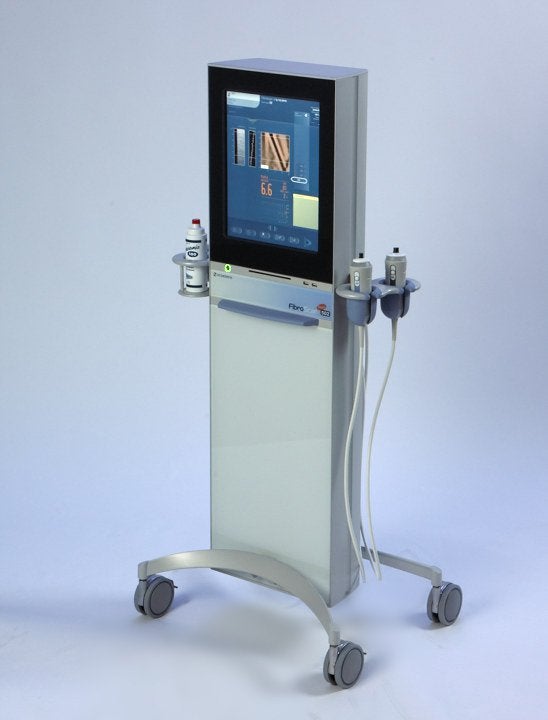
A FibroScan test eliminates the need for a liver biopsy, where a 6-inch needle is inserted into the liver to extract a sample for testing under a microscope. In addition to being painful, biopsies are expensive, running as high as $7,000. FibroScan tests are dramatically less expensive.
FibroScan was first introduced in Europe in 2003 and received clearance by the US Food and Drug Administration (FDA) in April 2013. Now, FibroScan has a newly developed controlled attenuation parameter (CAP) that detects and quantifies steatosis, the fatty accumulations in the liver cells. It can precisely tell you how much fat is in your liver.
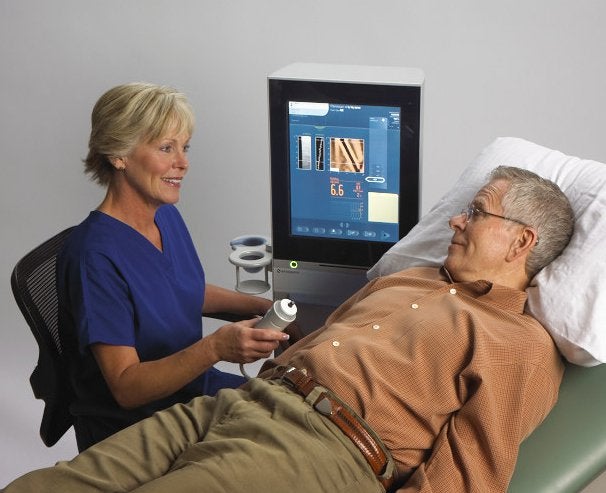
As of now, the Reddy Cardiac Wellness and Diabetes Reversal Center is the only center in the state of Texas that has the CAP capability in their FibroScan machine. The population of the greater Houston area can surely take advantage of this technology to have their livers checked for the silent fatty liver disease.
The American Liver Foundation estimates that 1 in 10 Americans has liver disease. Liver disease is the fourth leading cause of death among adults 45-54. More than 6 million children in the U.S. have non-alcoholic fatty liver disease and the wrongful diet most Americans eat could be to blame.
People with fatty liver can develop a more serious form of fatty liver called steatohepatitis in which the fat causes inflammation that leads to fibrosis or ‘scarring’ of the liver. Once the liver is replaced with scar tissues, it will develop cirrhosis and liver failure. This is the only time you will have signs and symptoms. By then it could be too late. The only way to prolong life at this point is to have a liver transplant. But the most important questions to ask are: who are you going to ask for a liver and how sure are you that the donor’s liver you are getting is healthy?
-
What Is In Your Liver: Fat or Scars?
FibroScan is an ultrasound-based vibration-controlled transient elastography (VCTE) device used to assess liver elasticity for the detection of significant fibrosis and for the diagnosis of cirrhosis in hepatitis C virus, hepatitis B virus, biliary liver disease, alcoholic liver disease, and non-alcoholic fatty liver disease. FibroScan also has a newly developed controlled attenuation parameter (CAP) that detects and quantifies steatosis, the fatty accumulations in the liver cells. It can precisely tell you how much fat is in your liver.
If you want to find out if your liver has fat or scars, you have two choices. You can either undergo a painful procedure called a ‘liver biopsy’ or do a simple FibroScan test which is painless. In addition to being painful, biopsies are expensive, running as high as $7,000. FibroScan test eliminates the need for a liver biopsy and is far less expensive.
FibroScan test is now available at the Reddy Cardiac Wellness and Diabetes Reversal Center in Sugar Land, Texas. The population of the greater Houston area can surely take advantage of this technology to have their livers checked for liver disease.
By doing a FibroScan test in our facility, we will accurately tell you how much fat is in your liver and if you are developing scars in your liver. These scars, if left untreated, will lead to cirrhosis and death unless you get a liver transplant. But why would you want to wait for that to happen? Find out today if you have fat and scars in your liver and let us teach you how you can reverse this disease.
Watch the video.
-
Can You Naturally Reverse Type 2 Diabetes Symptoms
The idea of completely reversing diabetes has been questioned time and time again. In order to determine the answer to this question, you must take into account a few factors, such as what type of diabetes are you dealing with and whether or not your body is producing insulin. There are two types of diabetes, type 1 and type 2. Type 1 or sometimes called juvenile-onset diabetes is rare and usually diagnosed in children and young adults, though it can develop at any age. In type 1 diabetes, the body does not produce insulin.
Insulin is a hormone that helps your body’s cells use sugar, or glucose, as fuel for their functions. If you do not have insulin, you may develop hyperglycemia (high blood sugar), which can cause long-term complications if the blood sugar levels stay elevated for long periods of time. Type 1 diabetes cannot be reversed and people with this type of diabetes need life-long insulin therapy. However, keeping a healthy diet and regular exercise can reduce the amount of insulin needed to maintain a normal blood sugar level.
Type 2 or adult-onset diabetes is the most common form of diabetes. In type 2 diabetes, the body produces insulin but the body is resistant to its effect, therefore making it hard to maintain a normal blood sugar level. Often a medication called metformin is prescribed to help restore the body’s proper response to insulin. Other medications may also be added to help reduce the amount of blood sugar in the body.
Insulin resistance is caused by a diet high in fructose, being overweight, and lack of physical activity. If you make improvements on your diet and you lose a significant amount of weight, you can reverse insulin resistance and make your body sensitive to insulin again, even without medications. By reversing insulin resistance, you also reverse type 2 diabetes.
Typically, doctors refer to “diabetes reversal” when you are able to go off your medication while engaging in a healthy lifestyle program. Obviously, when you are not taking medication for diabetes and your blood sugar is under control, you do not have diabetes or you have reversed diabetes. But the important message here is that you have to keep a healthy lifestyle program. If you fall off the wagon and start eating the wrong stuff again and stop exercising, you will end up with diabetes yet again.
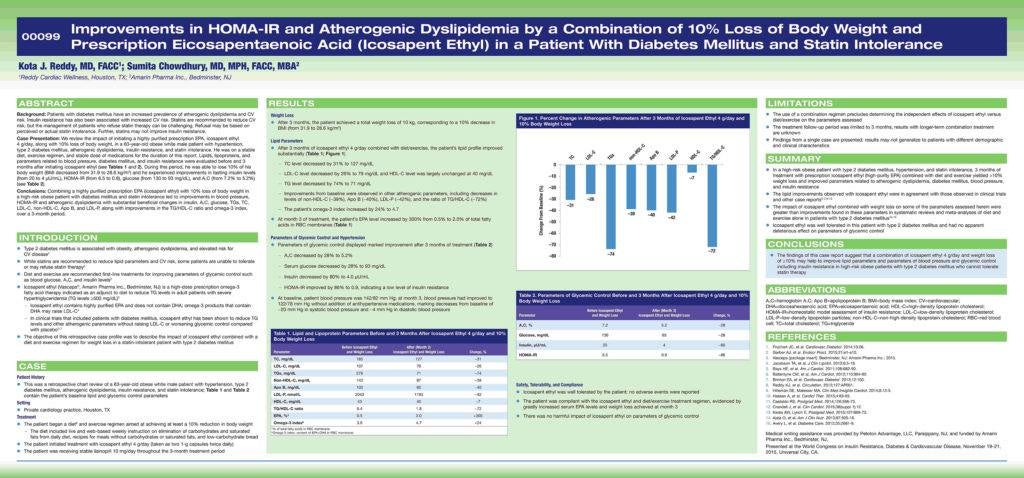
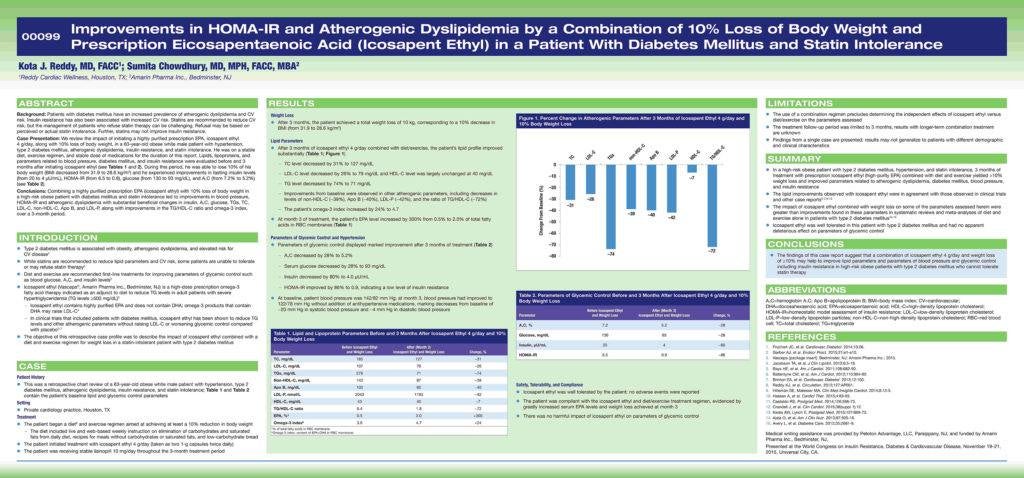
So, to answer the question ‘Can type 2 (adult-onset) diabetes be reversed?’, the answer is YES. Can it be reversed with diet and exercise? Absolutely YES. Watch the video and learn about the case of a 63 y/o Caucasian male who reversed his type 2 diabetes in 90 days after joining our program. This case report was presented at the World Congress on Insulin Resistance, Diabetes & Cardiovascular Disease on November 19–21, 2015 at Universal City, CA.
-
This Combination of Carbohydrate and Fat is the Reason Why Heart Attacks are Rampant During the Holidays
There is a 40% increase of heart attacks in the last two weeks of December and first two weeks of January because of what we eat most during the holidays. The combination of sugar and fat, especially the ‘caramelized’ fat seen in almost all desserts can make the small-sized bad cholesterol ‘oxidized’ to form plaques faster or make existing plaques unstable and cause heart attacks.
-
Having Fatty Liver is Like Walking Through Life Blindfolded
When you have fatty liver, it’s like walking through life blindfolded. You won’t have any signs and symptoms of the disease. You are unaware of the things you are doing that are making your liver ‘fatty’ and unhealthy. You are unconscious of your liver being ’scarred’ from all the abuses it is receiving. Until you reach the edge of a cliff.
Now, the next step you take will make you fall down to your death. But from the moment you slip to the point of your death, would be the only time you will show signs and symptoms of liver failure.
At that particular point where you are about to take your final step off the cliff, you only have two options: one, proceed and die a miserable death due to side effects and complications of liver failure or two, find someone who is willing to donate their liver and go for a liver transplant.
If you are lucky enough to get a liver transplant, you will survive. But the next question I’m going to ask is, do you know how healthy your donor’s liver is? If the donor’s liver is also ‘fatty’ and ‘scarred,’ what are your chances of a good recovery?
So where are you now? What is in your liver? Is it ‘fatty’ or ‘scarred’? Watch the video and find out before it is too late.