
Learn about Cardiac Catheterization in Sugar Land, TX
Cardiac catheterization is a minimally invasive procedure used to diagnose and treat a variety of heart conditions. At Reddy Cardiology, this advanced technique plays a critical role in accurately and efficiently evaluating the heart health of our patients. By allowing our cardiologists to access the heart through blood vessels, cardiac catheterization in Sugar Land, TX, provides essential insights while avoiding the need for more invasive surgical procedures.
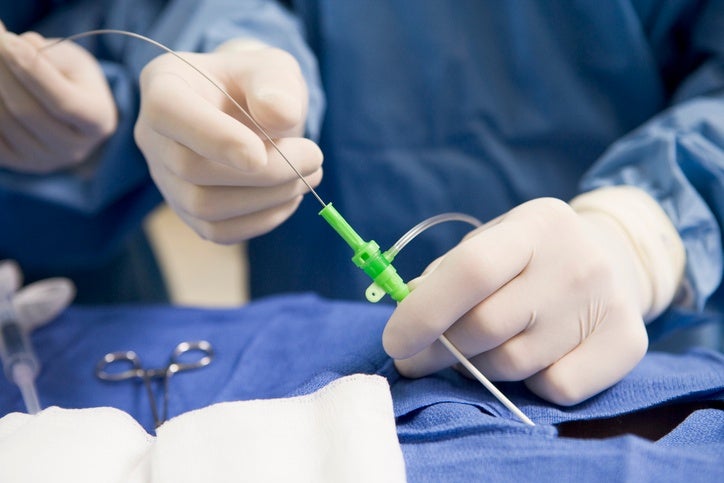
What Is Cardiac Catheterization?
Cardiac catheterization involves inserting a thin, flexible tube called a catheter into a blood vessel—typically in the wrist or groin—and guiding it to the heart. Once in place, the catheter allows your physician to examine how your heart functions in real time. It can be used to measure pressure within the heart chambers, evaluate blood flow, and detect blockages or abnormalities in the coronary arteries. In addition to diagnosis, cardiac catheterization can also be used to perform treatments during the same procedure, making it a versatile and highly effective tool in modern cardiology.
Cardiac Catheterization Purpose
The cardiac catheterization procedure can have both diagnostic and therapeutic purposes. It is particularly helpful when noninvasive tests cannot provide enough information. Common reasons for the procedure include:
- Diagnosing coronary artery disease
- Evaluating heart valve function
- Investigating congenital heart defects
- Measuring blood flow and oxygen levels in the heart
- Assessing damage after a heart attack
- Guiding treatment decisions for cardiovascular conditions
Types of Cardiac Catheterization
There are two main types of cardiac catheterization, each serving a different purpose in patient care.
Diagnostic cardiac catheterization focuses on identifying heart conditions. It allows physicians to visualize coronary arteries, assess heart chamber pressures, and evaluate how well the heart is pumping.
Interventional cardiac catheterization is used to treat heart conditions during the same procedure. This may include opening blocked arteries with angioplasty or placing stents to restore proper blood flow. The ability to diagnose and treat in one setting often reduces the need for additional procedures.
The Cardiac Catheterization Procedure: What to Expect
Understanding the process can help reduce anxiety and ensure you feel prepared. Here’s what to expect.
Before the procedure:
- You may need to fast for several hours.
- Your medical history and medications will be reviewed.
- An IV line will be placed for fluids and sedation.
During the procedure:
- The catheter will be inserted through a small incision.
- Imaging technology will guide it to the heart.
- Contrast dye may be used for clearer imaging.
- You will remain awake but relaxed with sedation.
After the procedure:
- The catheter will be removed and pressure applied.
- You will be monitored for a few hours.
- Discharge can occur the same day in many cases.
Cardiac Catheterization Recovery
Recovery from cardiac catheterization is typically quick and straightforward. Most patients experience only mild discomfort at the insertion site, such as slight bruising or soreness. Rest is recommended for the first day, and strenuous activities should be avoided for a short period. Your cardiologist will provide specific instructions, but many patients are able to return to normal routines within a few days. Follow-up care will ensure proper healing and help monitor your heart health moving forward.
Risks and Complications of Cardiac Catheterization
While cardiac catheterization is generally safe, it is important to understand potential risks. Possible cardiac catheterization risks include:
- Bleeding or bruising at the insertion site
- Infection
- Allergic reaction to contrast dye
- Irregular heart rhythms
- Damage to blood vessels
- Rare but serious complications, including heart attack, stroke, or kidney damage
Who Is a Candidate for Cardiac Catheterization?
Cardiac catheterization is typically recommended for patients who need a detailed evaluation of their heart or who may benefit from immediate treatment. It is often advised when symptoms such as chest pain, shortness of breath, or abnormal test results suggest an underlying heart condition. Patients who have known cardiovascular disease, are recovering from a heart attack, or are preparing for heart surgery may also be candidates. A thorough consultation with a cardiologist is essential to determine whether this procedure is the most appropriate option for your needs.
Why Choose Our Cardiac Catheterization Services?
At Reddy Cardiology, we combine expertise, technology, and patient-focused care to deliver exceptional outcomes. When you work with us, you can expect:
- Experienced and highly trained cardiologists
- Advanced diagnostic and interventional technology
- Personalized care plans tailored to each patient
- A comfortable and supportive clinical environment
- Comprehensive care from evaluation through recovery
Call Reddy Cardiology to Schedule an Appointment
Cardiac catheterization is an essential tool for diagnosing and treating heart conditions with precision and minimal invasiveness. By offering both evaluation and treatment in a single procedure, it helps streamline care and improve patient outcomes. At Reddy Cardiology, we are dedicated to providing expert cardiovascular care in a safe, comfortable environment. If you are experiencing symptoms or need further evaluation, schedule an appointment today.
FAQ
Is cardiac catheterization painful? Most patients report little to no pain. Local anesthesia and sedation help ensure a comfortable experience.
How long does the procedure take? It typically lasts between 30 minutes and an hour, depending on complexity.
Will I be awake during the procedure? Yes, but you will be relaxed and comfortable due to mild sedation.
How soon can I return to normal activities? Many patients resume normal activities within a few days, following their doctor’s guidance.
Can this procedure treat blocked arteries? Yes, treatments such as angioplasty and stent placement can often be performed during cardiac catheterization.
Why Choose Us?
- Walk-In Patients Welcome
- Free Parking & Easy Access
- Accepting Most Insurance Plans
- Same Day Appointments Available
- State of the Art Facility & Equipment
- Extremely Friendly & Experienced Staff