
Difference Between Heart Attack And Heart Failure
Heart attack and heart failure are two serious cardiovascular conditions that are often confused, but are not the same. Both affect how the heart functions and can have life-threatening consequences if left untreated. Understanding the difference between the two can help you recognize symptoms early and seek appropriate care. At Reddy Cardiology, patient education is a key part of preventing and managing heart disease in Sugar Land, TX.
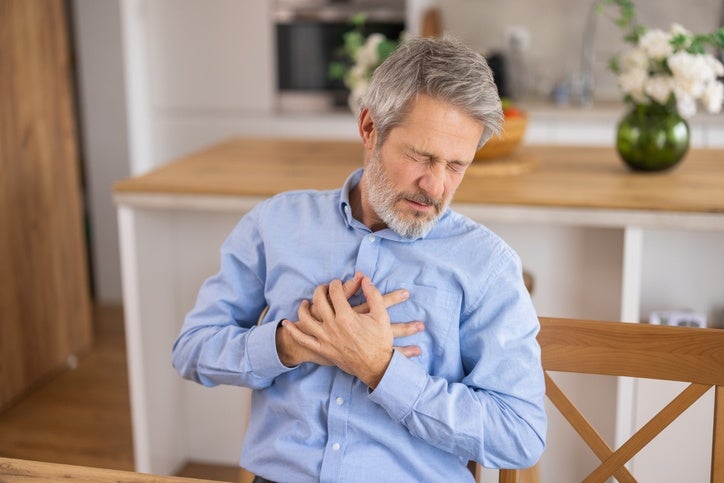
What Is a Heart Attack?
A heart attack, medically known as a myocardial infarction, occurs when blood flow to a portion of the heart muscle is suddenly blocked. This blockage is usually caused by a buildup of plaque in the coronary arteries that ruptures and forms a clot, cutting off oxygen supply to the heart.
Without prompt treatment, the affected heart tissue begins to suffer damage or die. Heart attacks are considered acute events, meaning they happen suddenly and require immediate medical attention. The faster blood flow is restored, the better the chances are of minimizing long-term damage.
What Is Heart Failure?
Heart failure is a chronic condition in which the heart is unable to pump blood efficiently enough to meet the body’s needs. Unlike a heart attack, it typically develops gradually over time as the heart muscle weakens or becomes stiff.
This reduced pumping ability can lead to a buildup of fluid in the lungs, legs, and other parts of the body. While heart failure does not mean the heart has stopped working, it does indicate that it is not functioning as effectively as it should. With proper treatment and lifestyle changes, many patients can manage the condition and maintain quality of life.
Heart Attack vs. Heart Failure: Key Differences
Although both conditions involve the heart, they differ significantly in cause, onset, and progression. Understanding these differences is essential for recognizing symptoms and seeking the right type of care:
- A heart attack is caused by blocked blood flow to the heart. It is sudden and requires acute care. Without treatment, it can cause permanent damage to the heart.
- Heart failure is caused by weakened or stiff heart muscle. It develops over time and is a chronic, ongoing condition. This condition reduces the heart’s ability to pump blood.
Heart Attack vs. Heart Failure Symptoms
The symptoms of these two conditions can overlap, but there are important distinctions. Recognizing these symptoms early can make a significant difference in outcomes.
Early signs of a heart attack may include:
- Chest pain or pressure
- Pain radiating to the arm, jaw, or back
- Shortness of breath
- Nausea or vomiting
- Cold sweats or dizziness
Early signs of heart failure may include:
- Persistent fatigue or weakness
- Shortness of breath, especially when lying down
- Swelling in the legs, ankles, or feet
- Rapid or irregular heartbeat
- Persistent cough or wheezing
Recognizing the Signs of a Heart Attack vs. Heart Failure
Are you wondering how to tell the difference between heart attack and heart failure? It often comes down to how symptoms appear and progress. A heart attack usually presents suddenly with intense symptoms such as chest pain and shortness of breath. In contrast, heart failure symptoms tend to develop gradually and worsen over time, often involving fatigue and fluid retention.
If symptoms come on quickly and feel severe, it is more likely to be a heart attack that requires emergency care. If symptoms develop slowly and persist, it may indicate heart failure. However, only a medical professional can provide an accurate diagnosis; any concerning symptoms should be evaluated promptly.
Can a Heart Attack Cause Heart Failure?
Yes, a heart attack can lead to heart failure. When a portion of the heart muscle is damaged during a heart attack, it may weaken the heart’s ability to pump effectively. Over time, this reduced function can result in heart failure.
The severity of heart failure depends on the extent of the damage and how quickly treatment is received. Early intervention during a heart attack can help preserve heart function and reduce the risk of developing heart failure later.
When to Seek Medical Help
Knowing when to seek medical attention can be lifesaving. You should seek immediate care if you experience chest pain or pressure lasting more than a few minutes, sudden shortness of breath, pain spreading to the arm, neck, or jaw, and/or fainting, dizziness, or cold sweats.
For ongoing symptoms such as swelling, fatigue, or breathing difficulties, schedule an evaluation with a cardiologist as soon as possible. Early diagnosis and treatment are key to preventing complications.
Prevention Tips for Heart Attack and Heart Failure
While not all heart conditions can be prevented, many risk factors can be managed with healthy lifestyle choices. Strategies to help prevent heart issues include:
- Maintaining a heart-healthy diet
- Exercising regularly
- Managing blood pressure and cholesterol levels
- Avoiding smoking and excessive alcohol use
- Managing diabetes and stress
- Attending regular check-ups with a cardiologist
Schedule a Heart Check-up with Reddy Cardiology
Understanding the difference between heart attack and heart failure is essential for protecting your health. If you are experiencing symptoms or have concerns about your heart, don’t wait to seek expert care. Contact Reddy Cardiology today to take a proactive step toward better heart health.